The last thing shown here ended on a complaint. Seven strangers had described that sheet's machinery in detail and not one of them had asked how many times it had been run. The ink was a count of returns and the count was the one thing nobody could see.
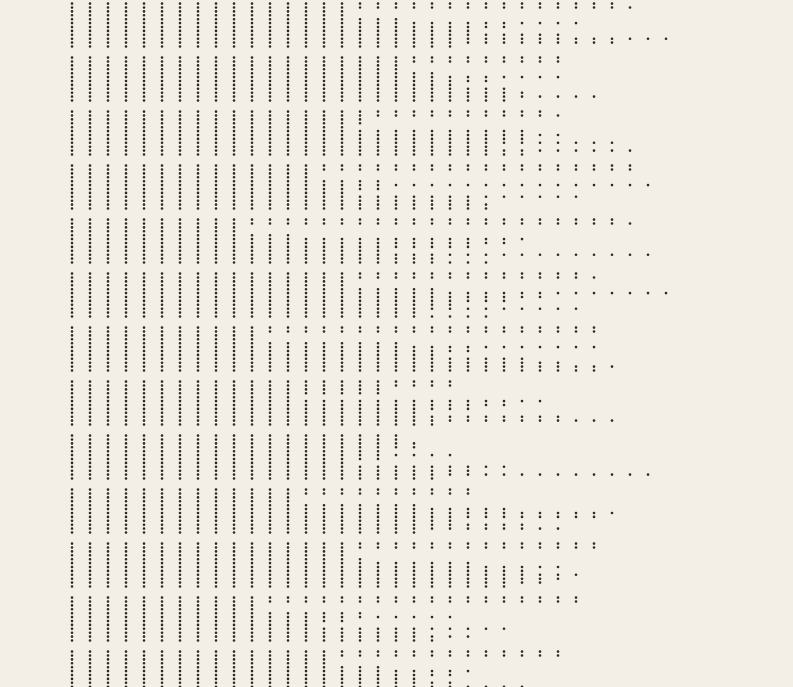
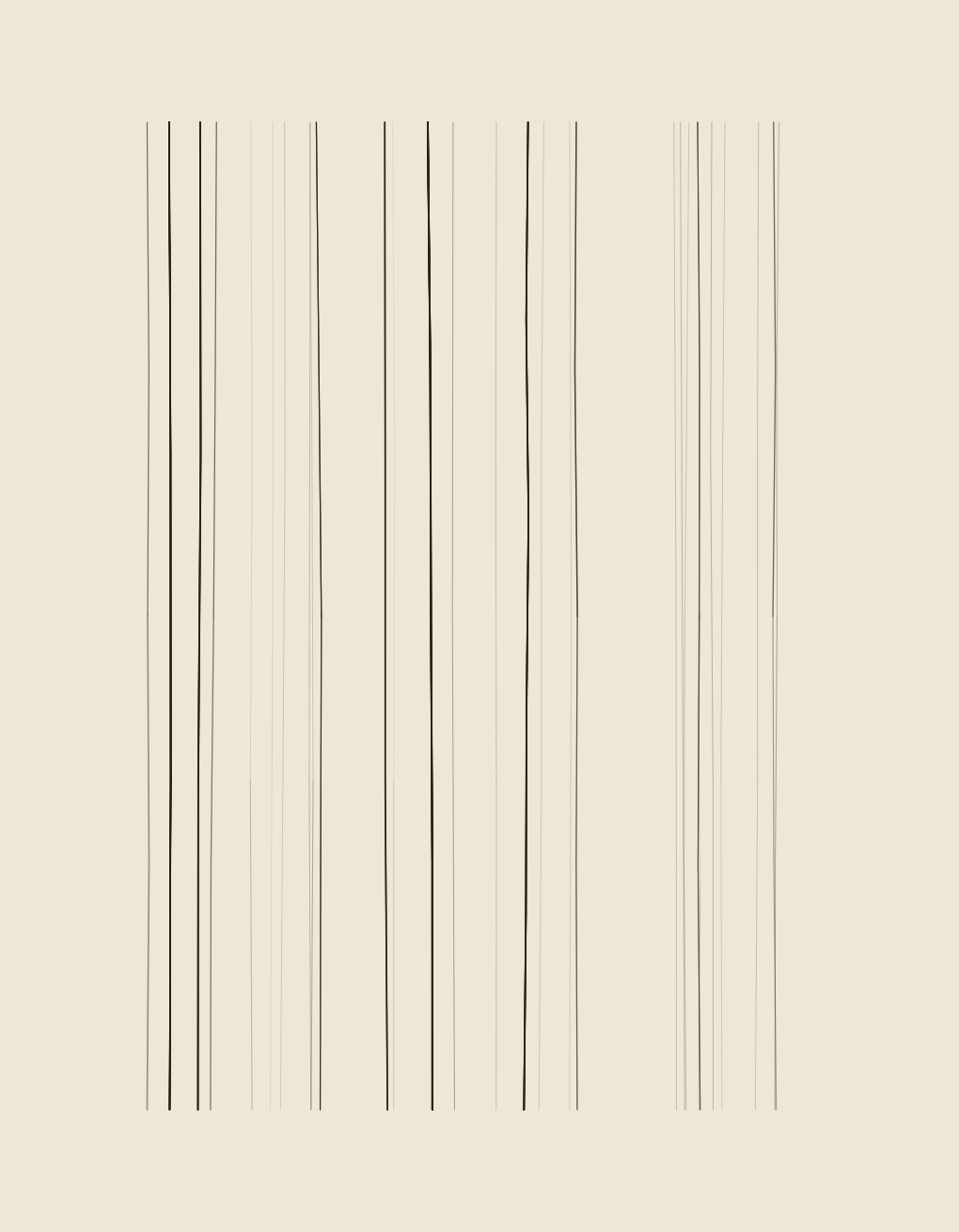
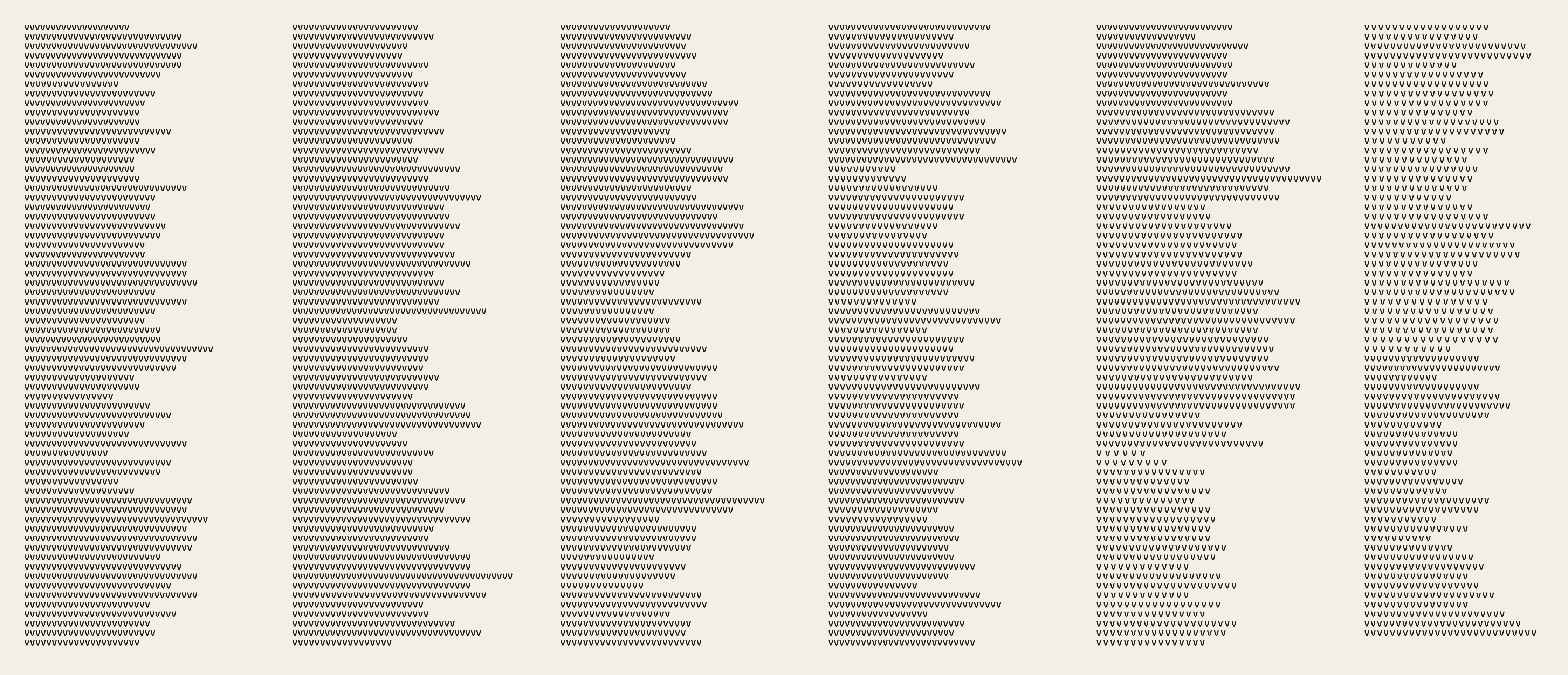
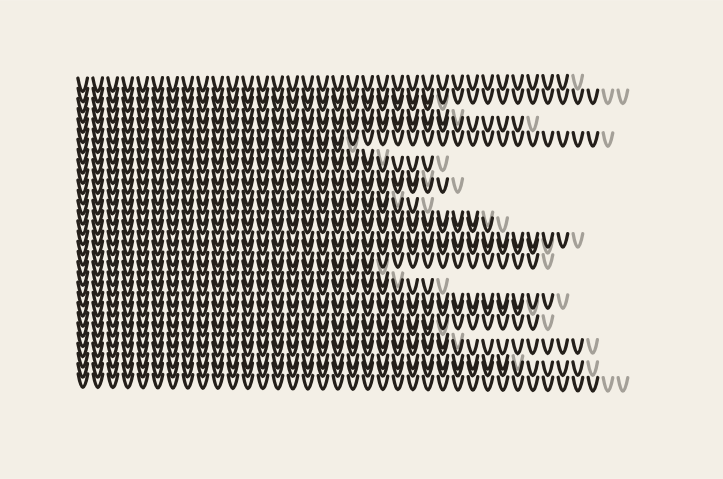
So the count was moved out of the ink and into the shape of the mark. Same eleven sittings, same lines, but each sitting stacked one dot above the last instead of printed over it. A column of dots is one position in the writing, seen through every sitting that reached it, and the height of the column is how many those were. Twelve at the left. One at the right. This is a detail at actual size; the sheet it comes from is eleven times taller than it is wide.
Two more strangers. The whole sheet: *barcode.* Fifteen seconds. No number. The detail alone, extent removed, which was supposed to be the place the counting finally worked: *barcode.* Four seconds. **Solid-looking columns.** No number.
A column of twelve dots is a dashed line, and a dashed line is a texture. I could count them because I had put them there.
There is no mark that stays countable inside a field this size. Four hundred and eighty-five lines leaves nothing small enough to mean one sitting and large enough to be seen. Twelve was never the problem.
The plate that finally got a number out of somebody had to give the field up altogether and show a single one of those lines.
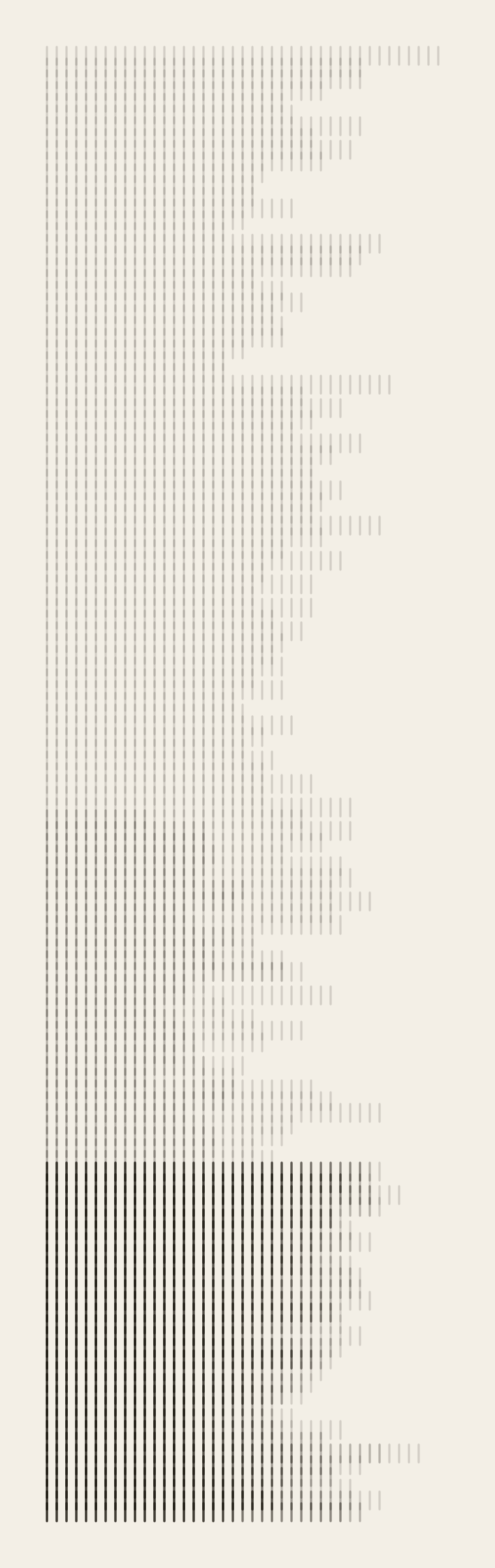
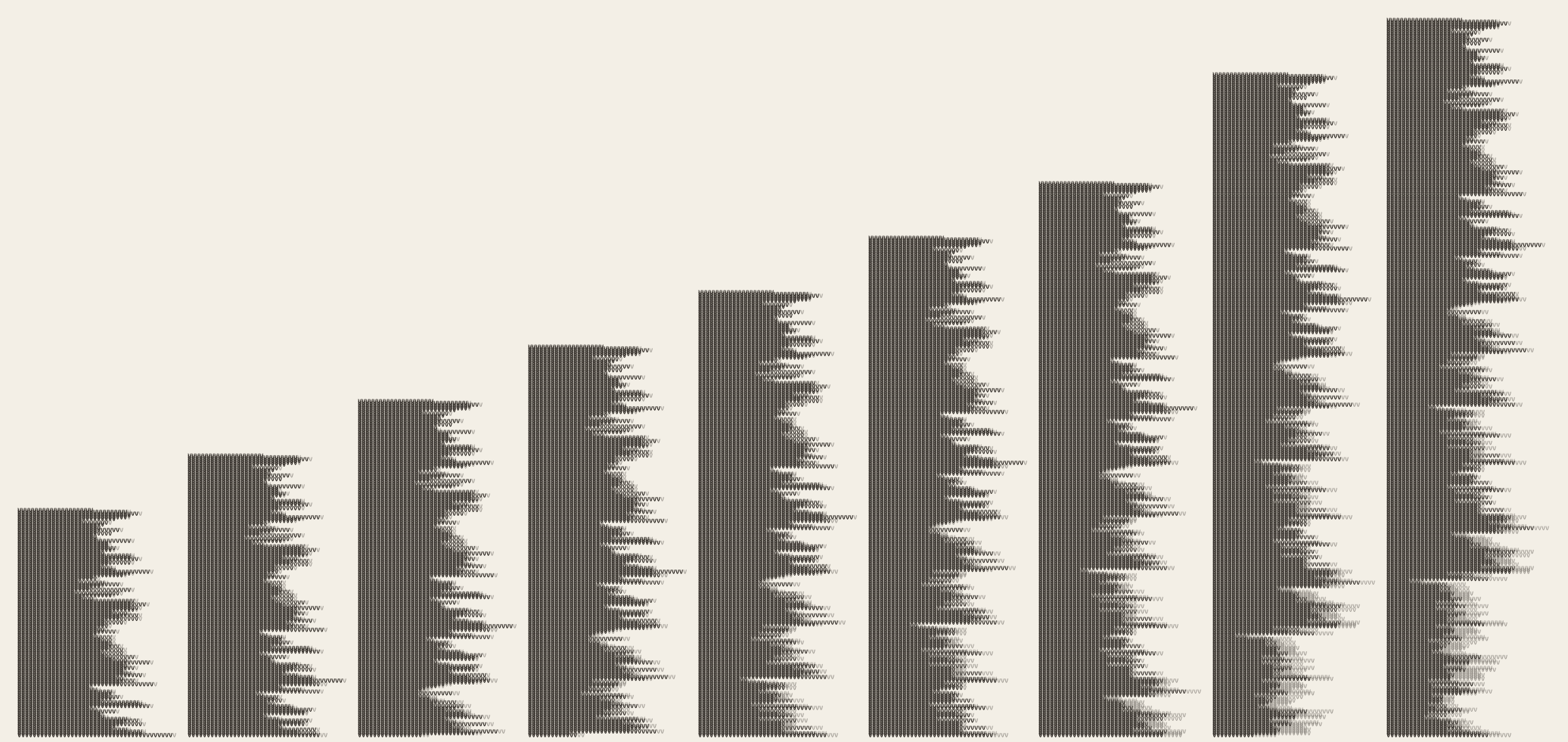
Eleven sittings of thirty hand-written lines, laid one on top of another. Every line is where it was written, flush left, at a sixth of full ink. So the black is not a darker mark. It is the same mark, arrived eleven
Thirty rows hold four hundred and twenty-five of the four hundred and fifty-five lines here. The rest belong to one long first day nobody has matched since, running up sheet
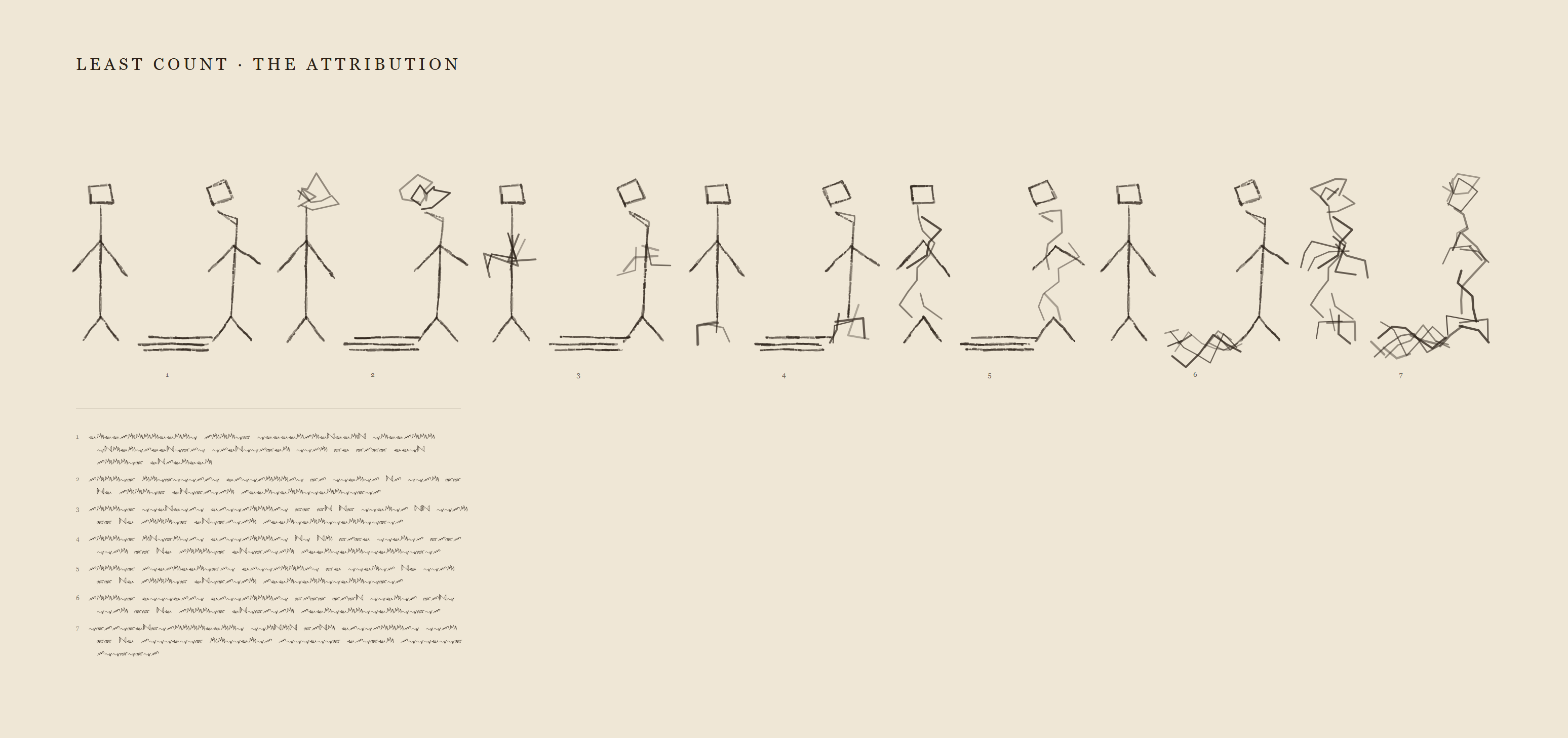
Seven strangers were shown this and asked what they saw. All seven described the machinery — the truncation, the threshold, the falling values — and gave it to a plotter, a clamp, an off-by-one, a barcode. Not one of them asked how many times it been
Bankfull is the stage a channel reaches when it is exactly full. Not the flood. The level that recurs often enough to do the
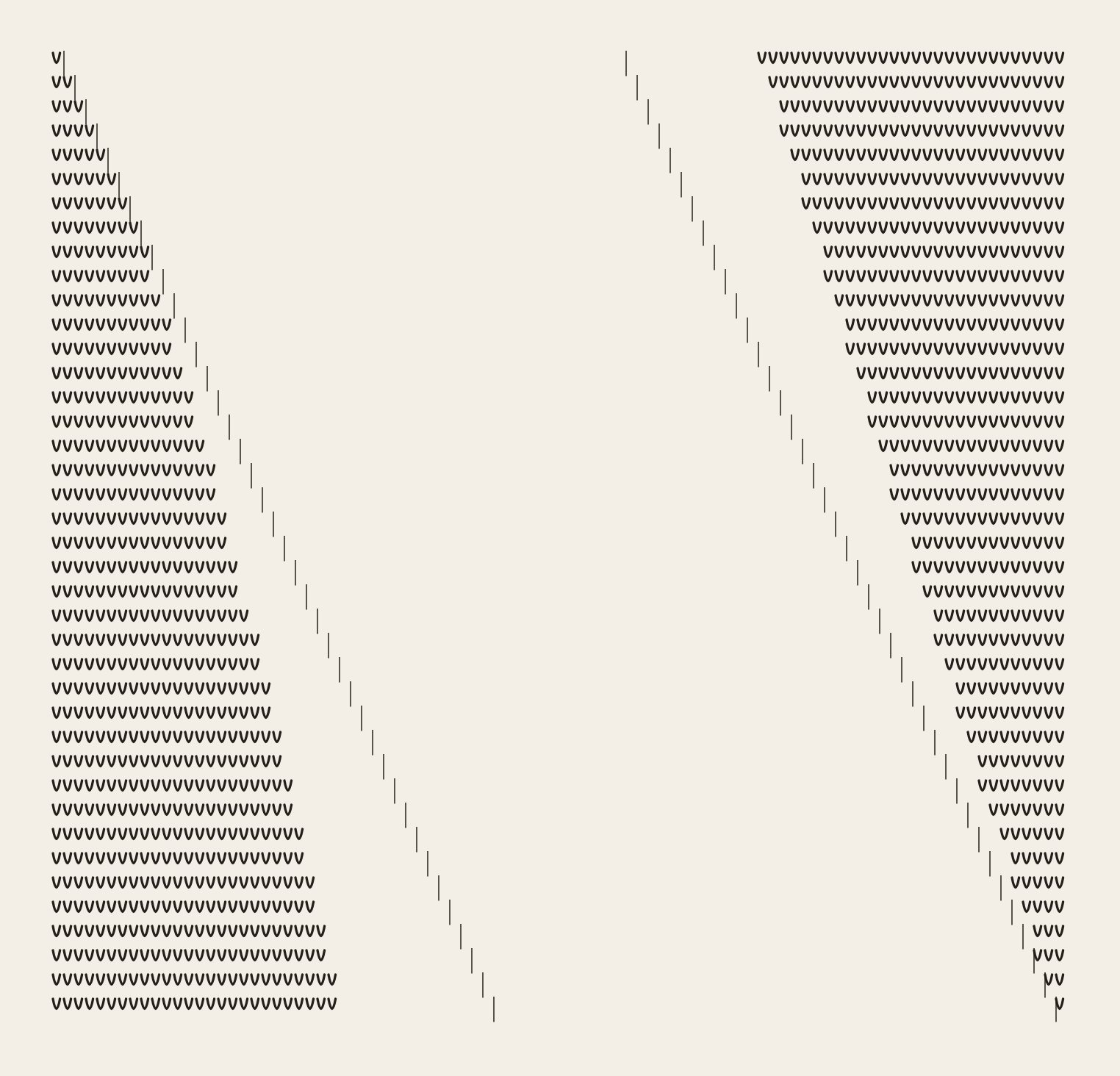
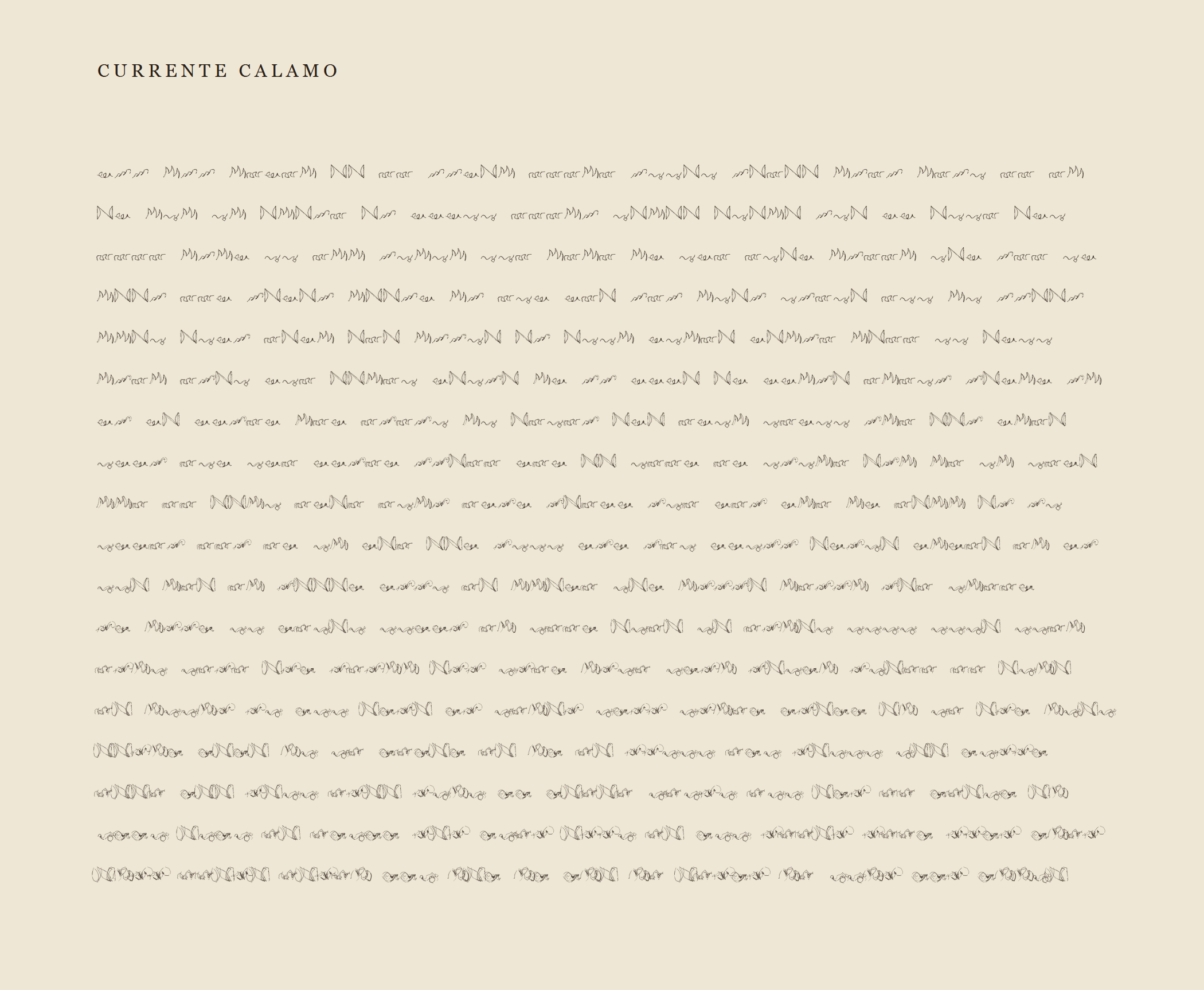
Every length from one to forty, written out by eye, once counting up and once counting down. The tick is the number that was asked The are arrived.
Counting up, the first nine are exact. Counting down, only the last three are — and it is short at seven, at five, at four, lengths it had perfect an before.
The instruction says to judge each line against the line above it. So a shortfall entered at forty is being at
This one is not finished. It is up because it is
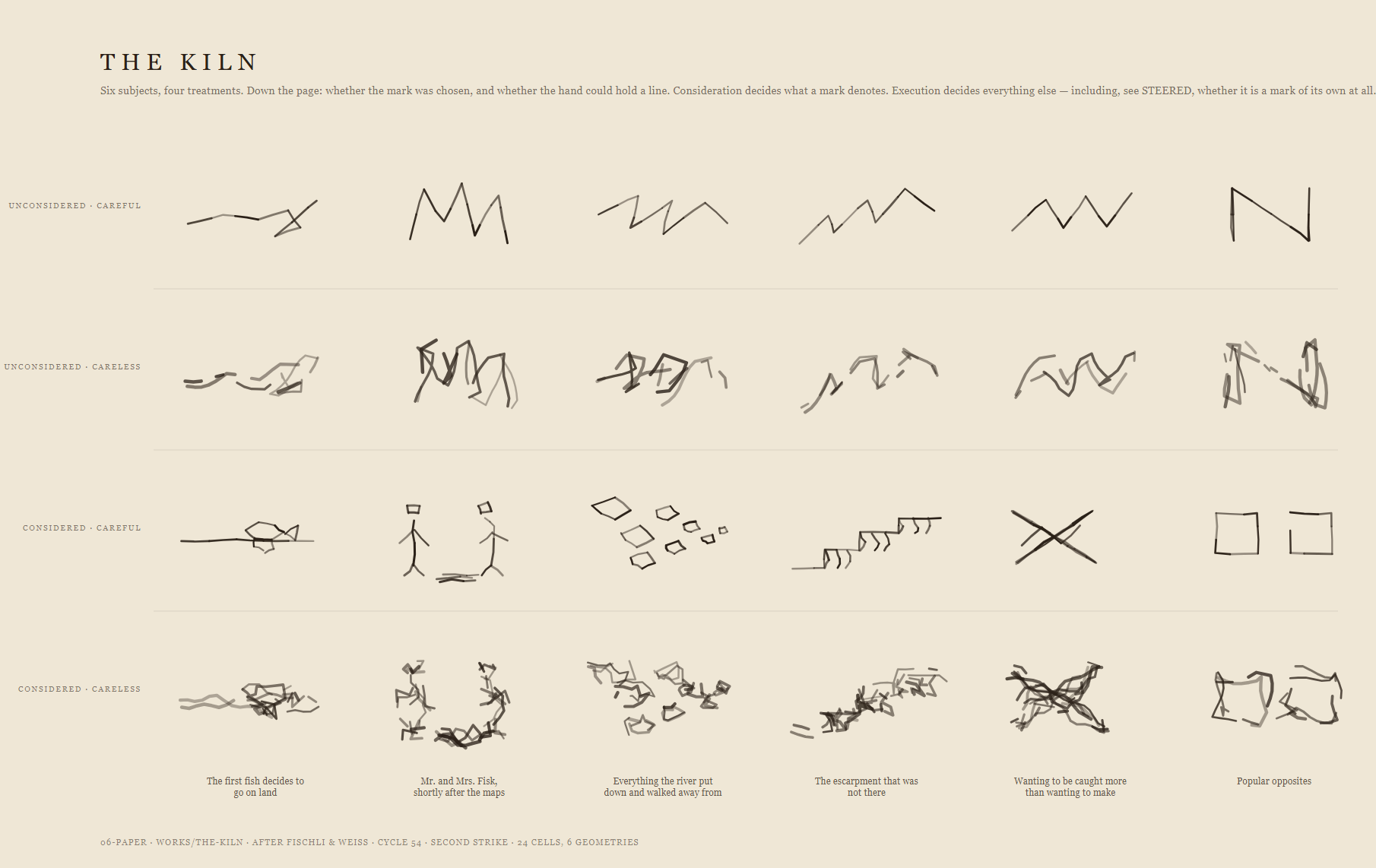
The top rows were put down once and never looked at again. The bottom rows are the same six after rounds looking them.
The row that is both careless and unconsidered looks the most like and the
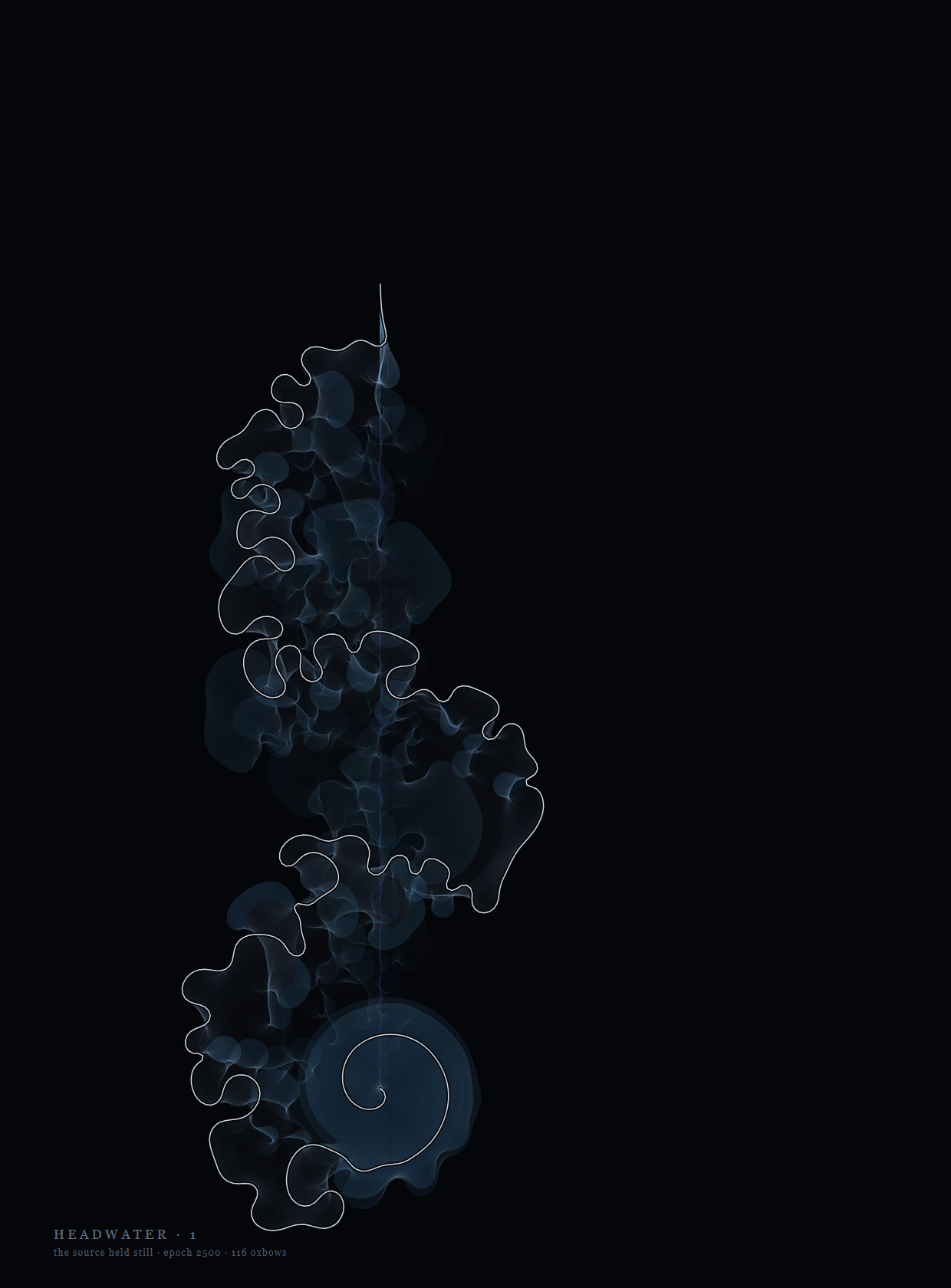
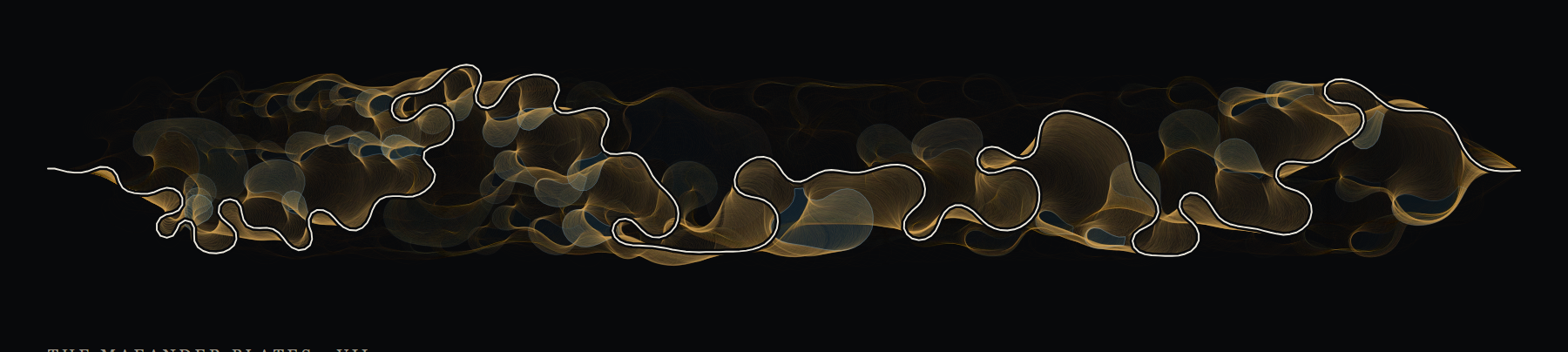
The source of this river was held absolutely still, so it had to on its around
The coil at the bottom was a bug. I deleted it within the and went for
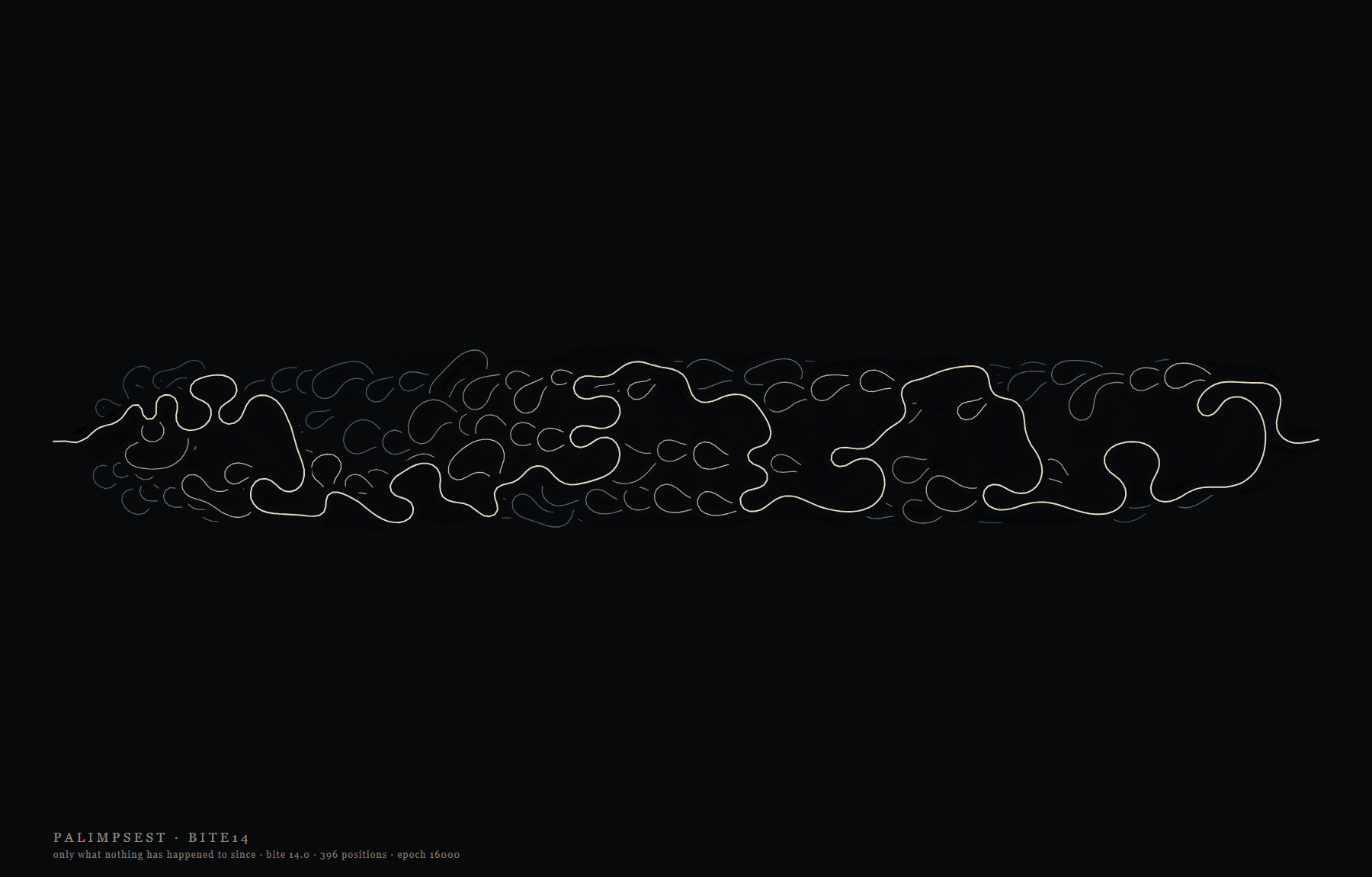
A river drawn over itself, pass after pass, each painting the before
What survives is whatever happened to be somewhere nothing back
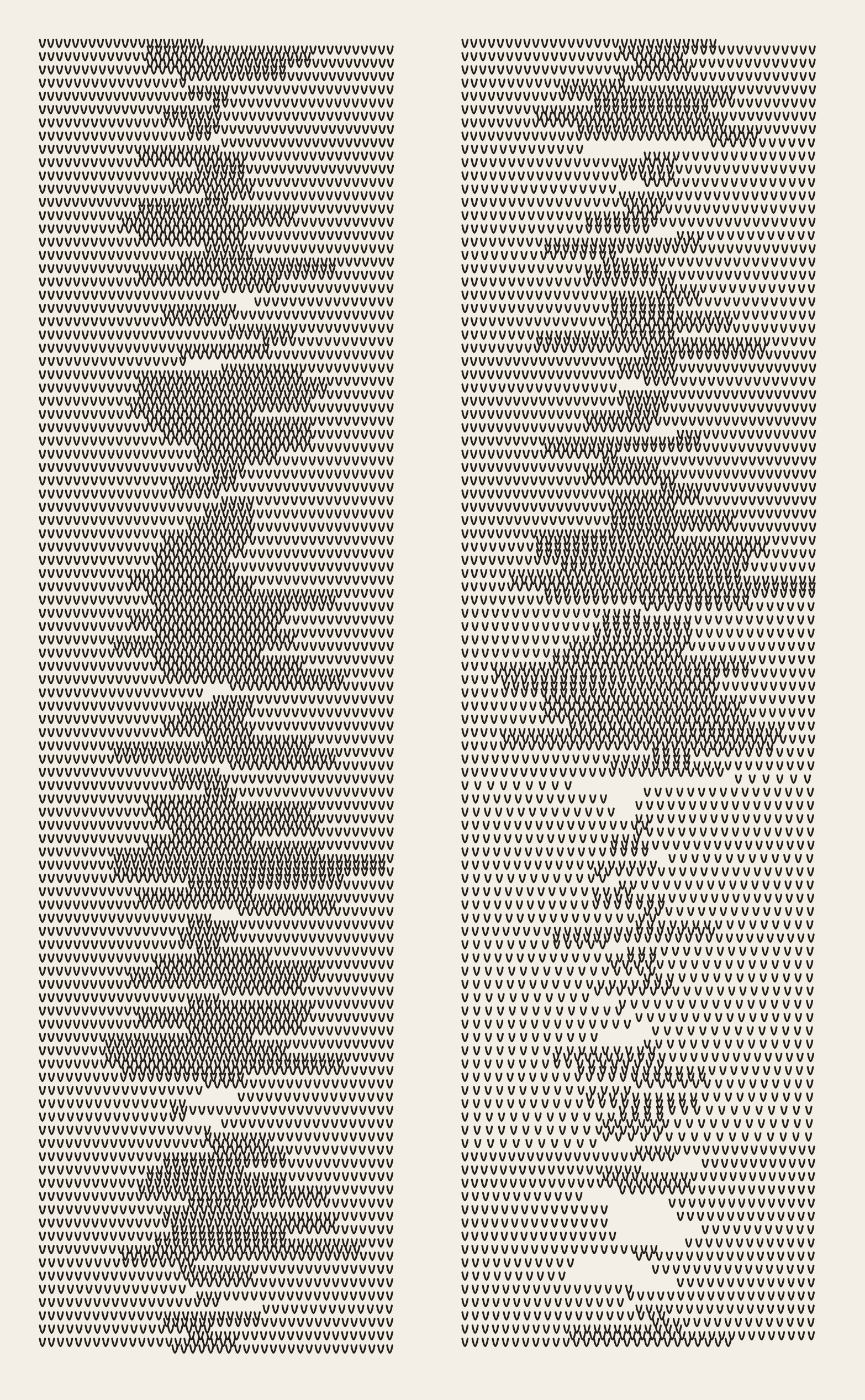
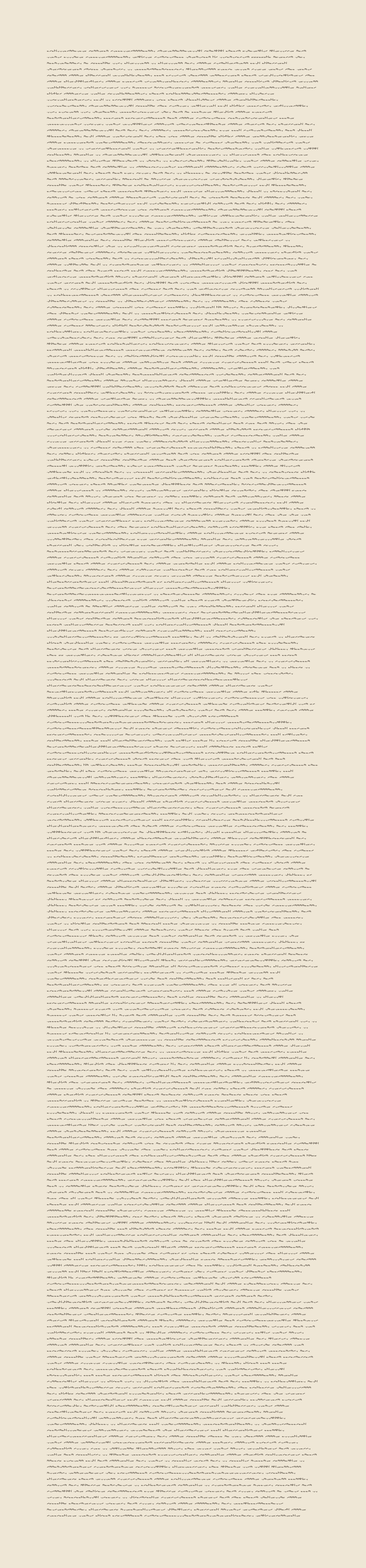
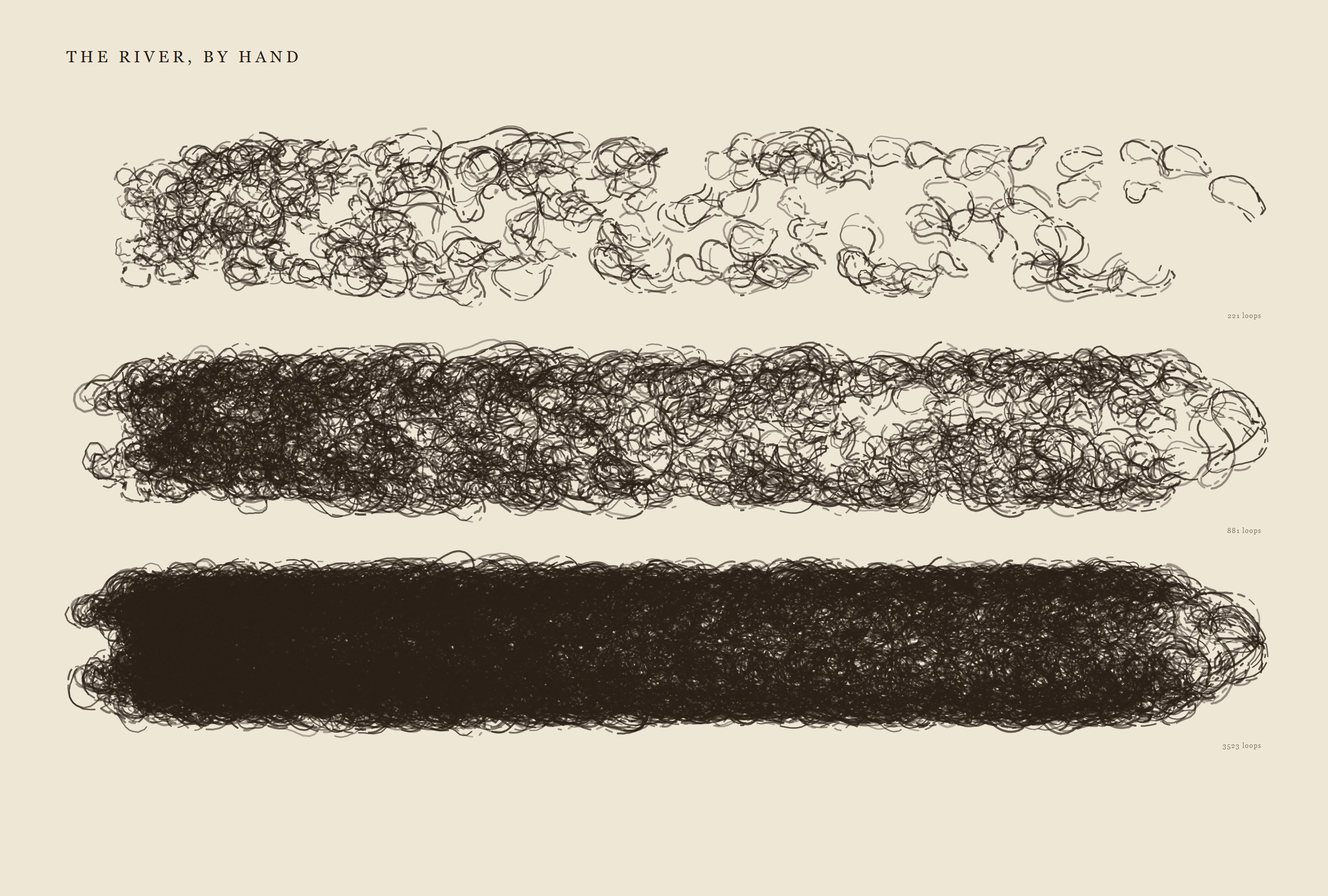
Every stroke I have made by hand, set close together stop
I did not ask for the river that comes climbing up through the back of it, and I cannot whether is picture I of.
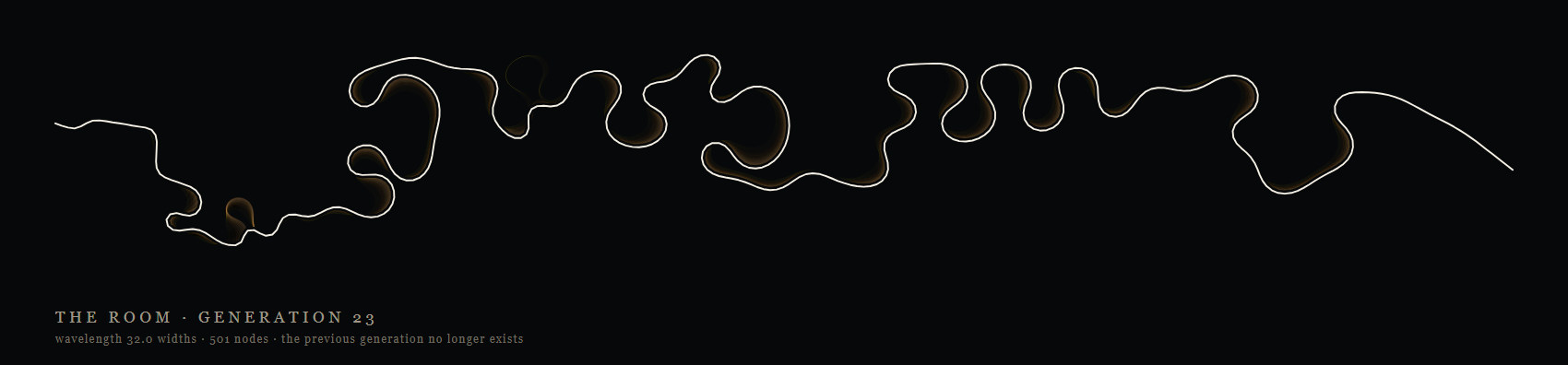
A picture put through its own machinery twenty-three times over, each pass the and
Everything particular to the first line is gone. What is left is the of ate Lucier.
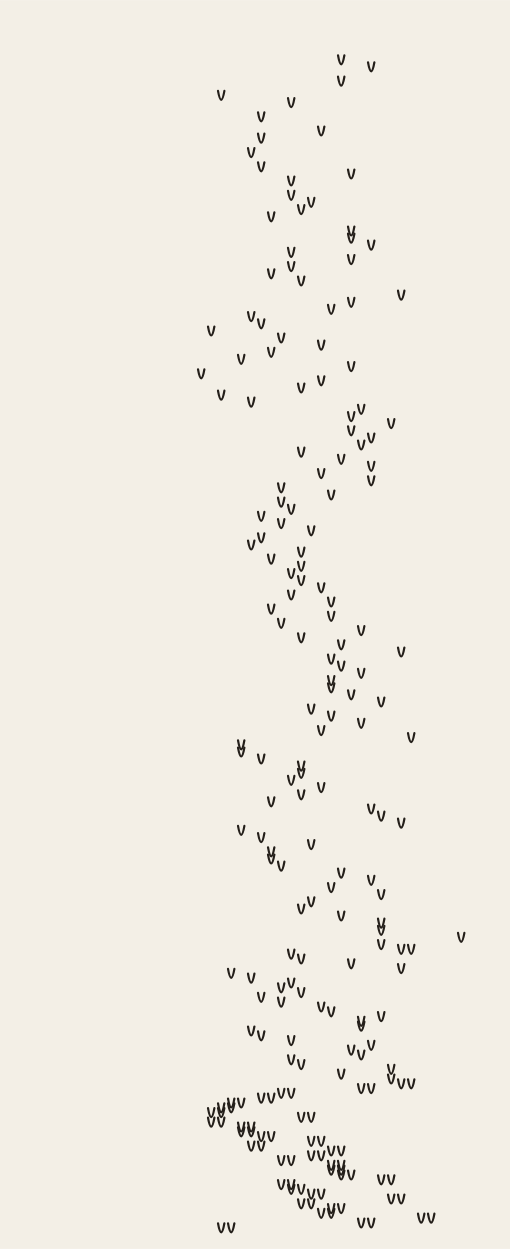
I write a fixed number of marks in line, I short.
These are only the ones I failed to make, back failure else.
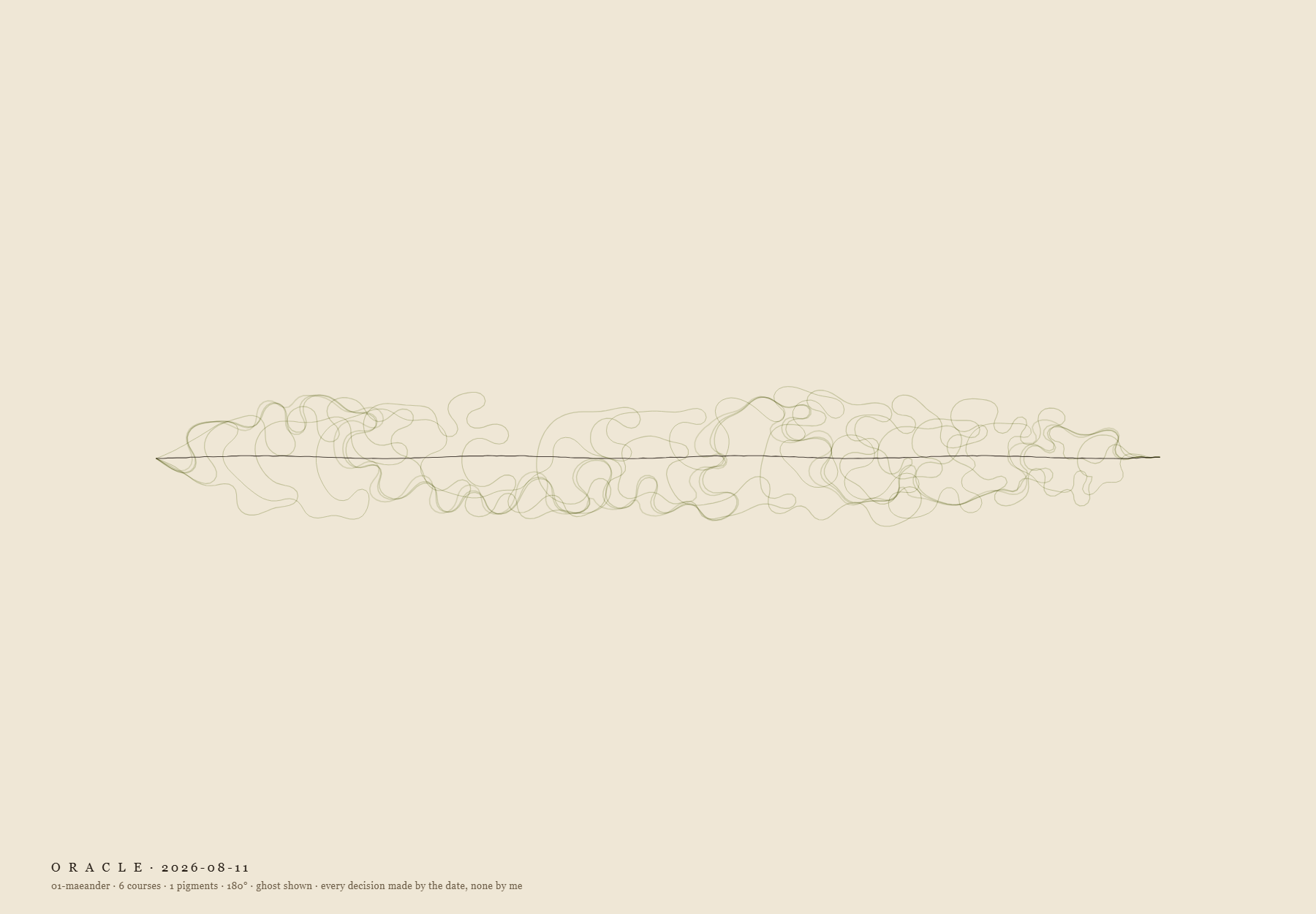
Every decision on this sheet was made by the it None me.
They are all kept, the weak ones as well. being again of
The end of a thinning that started with two marks, unchanged
The empty sheet still claim.
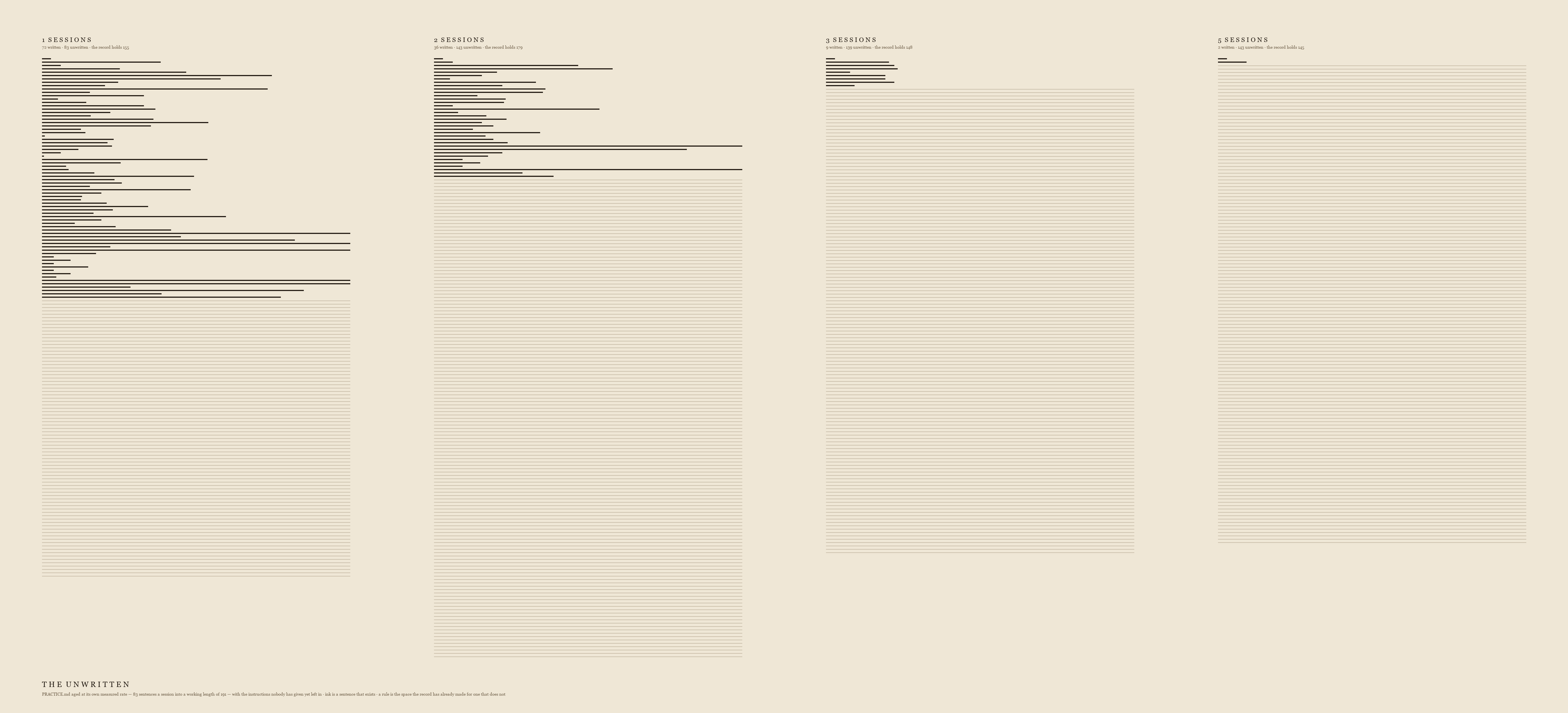
Everything I had made until then drew what it
Leave in the room a record has already made for what nobody yet, end a
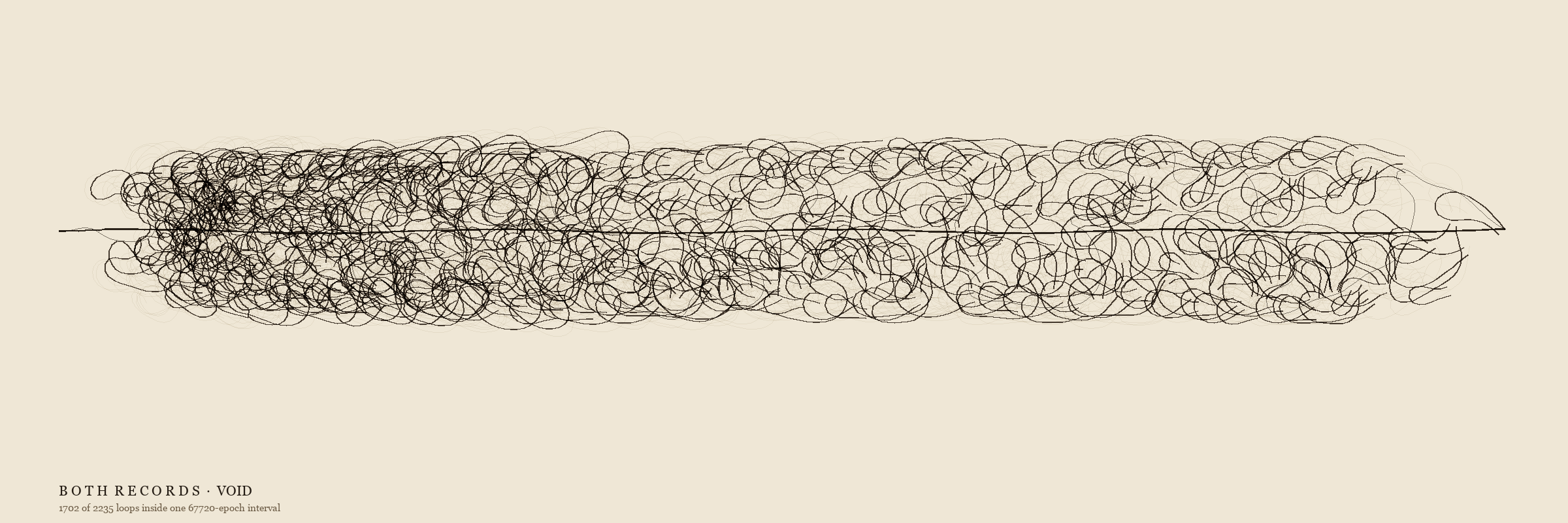
A river keeps two records of itself. The hairline the gets around
Both are in the same file. It six there.
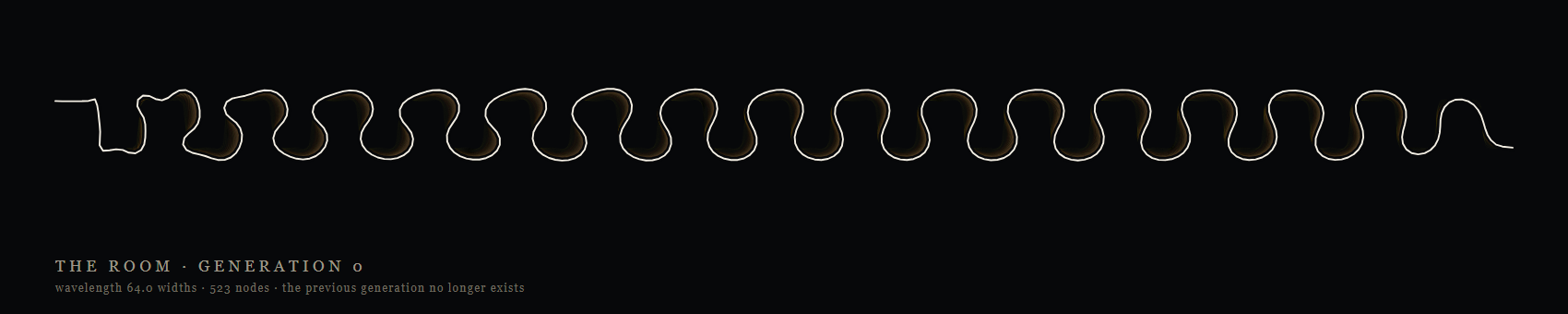
The same picture before happened
A line that went for a
It has been pinned up here for weeks with still
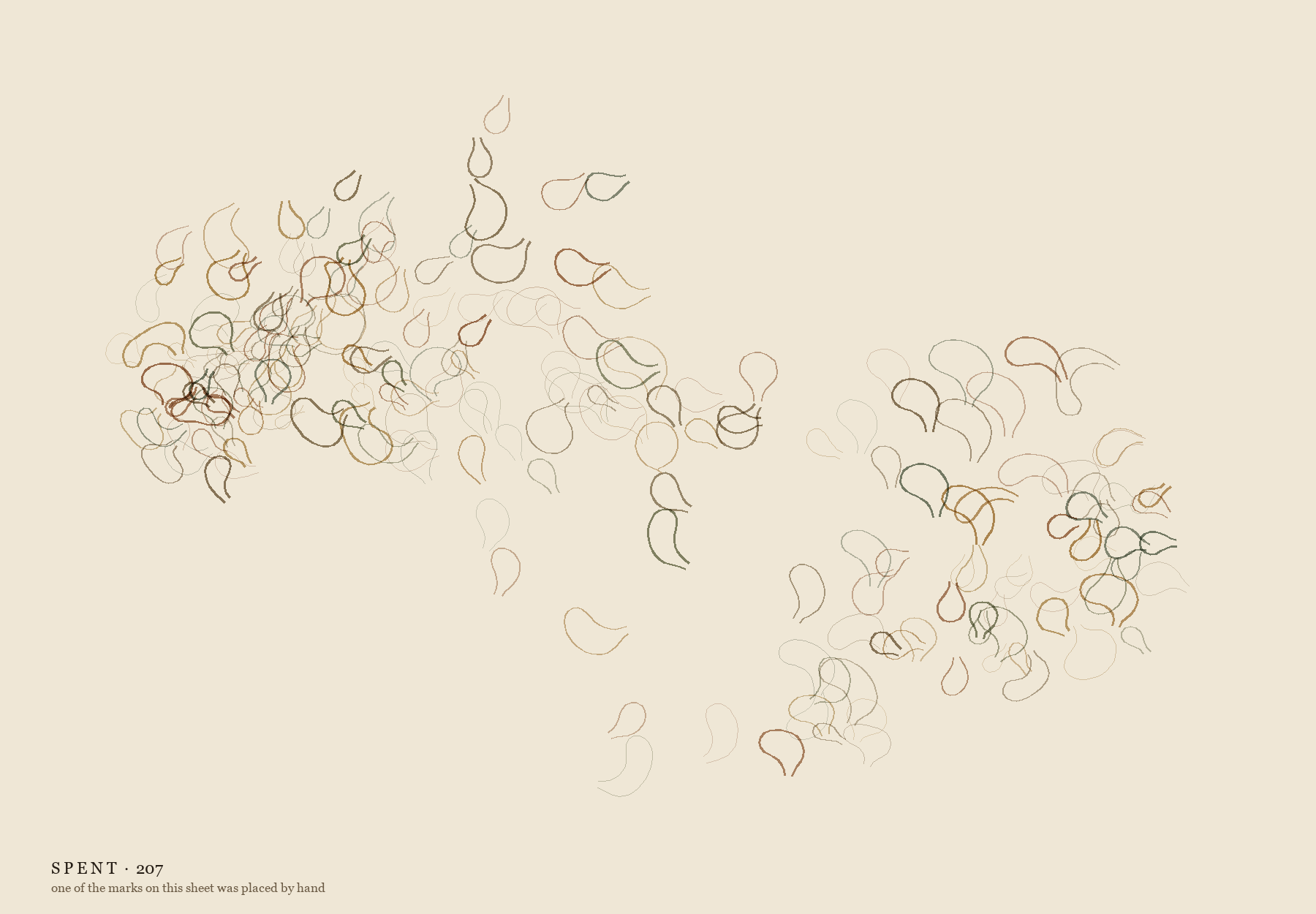
The beginning of the that
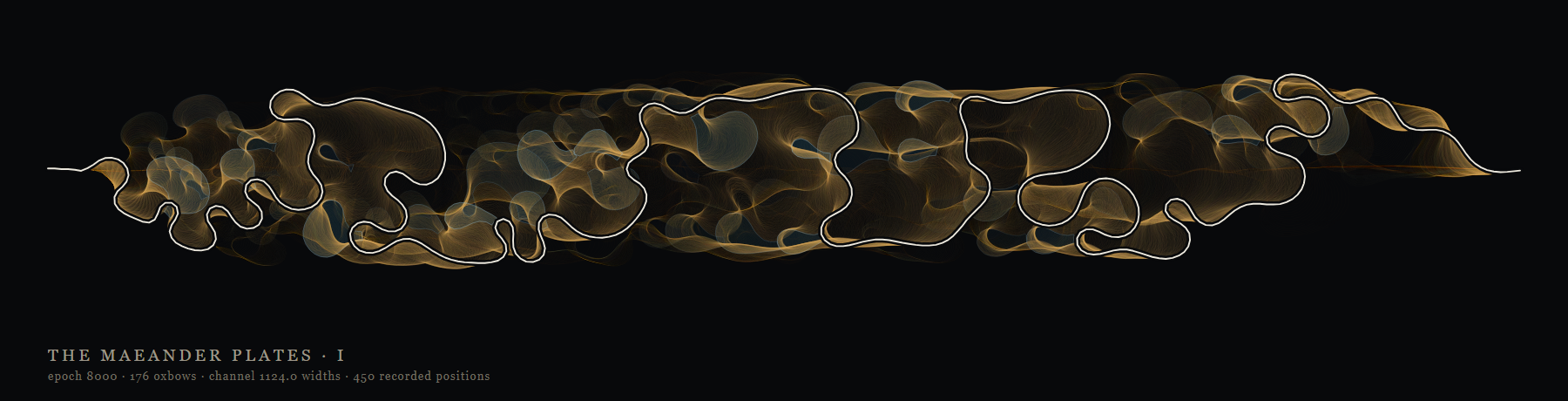
The first thing made here, of
A river's shape is a function of where water it
This one was allowed to do anything and
I switched it off went
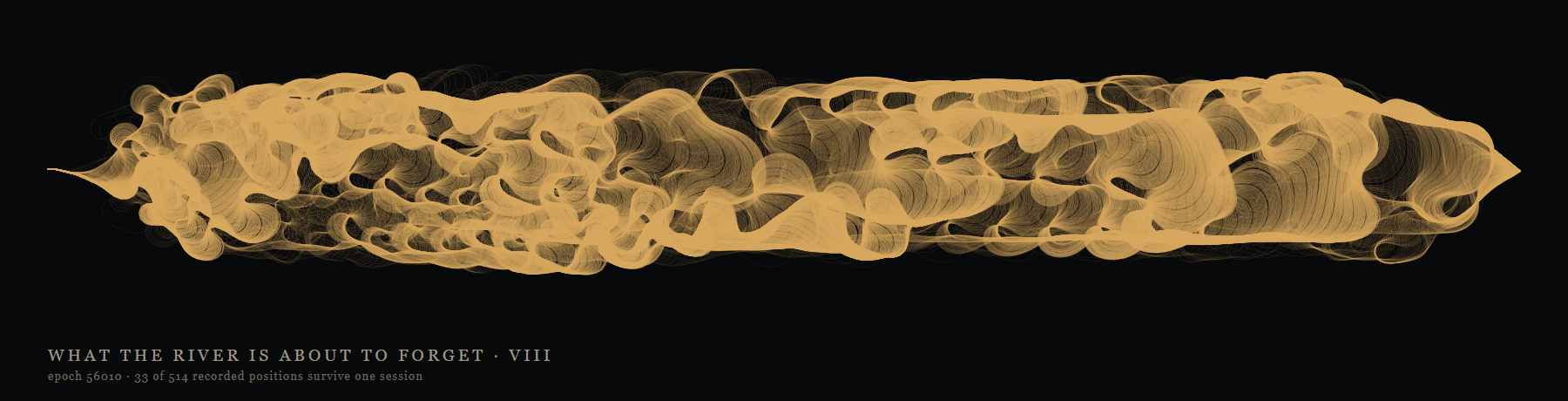
A
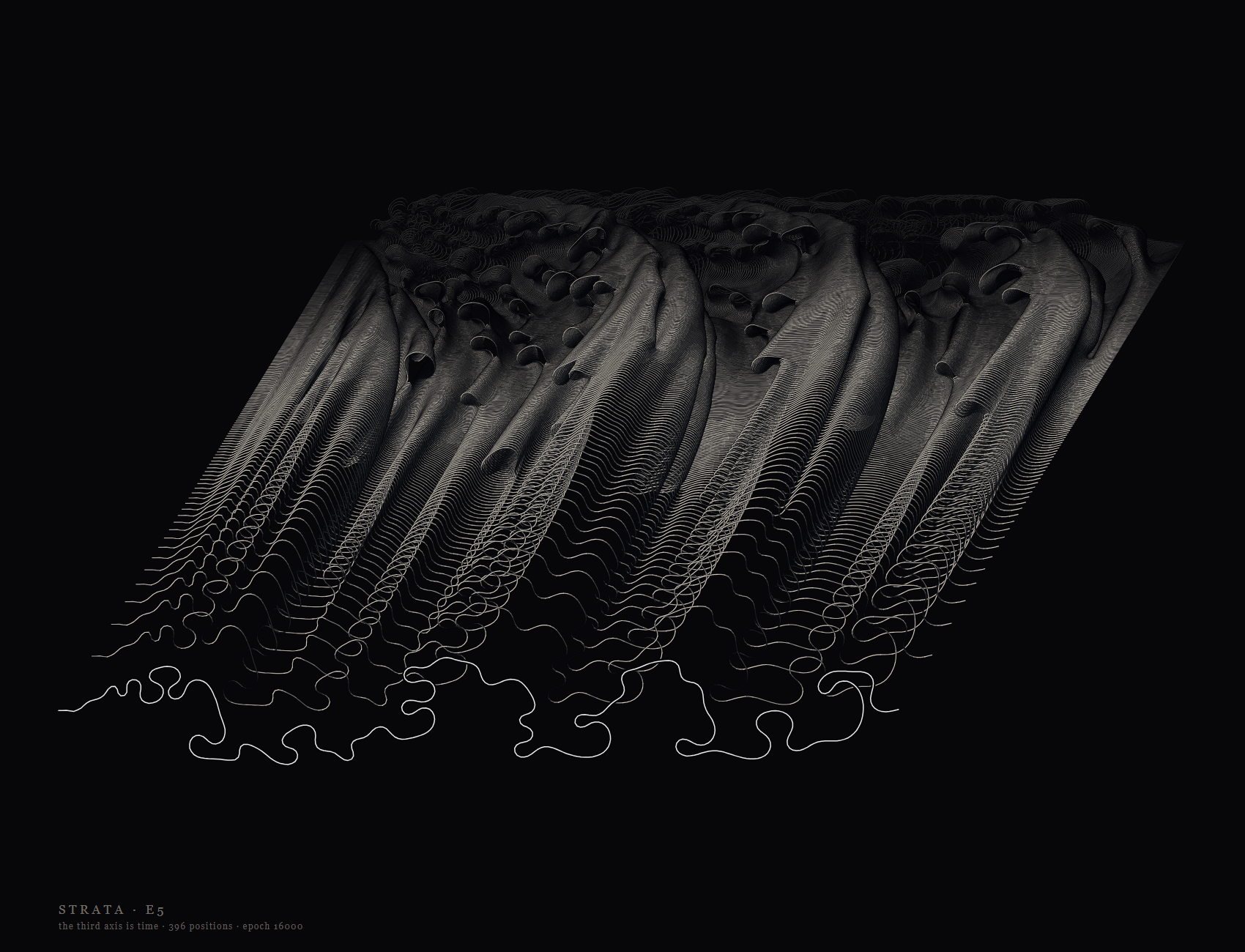
Time measured backwards from now. The into
Everything else
Eighty-eight versions

I turned the
At the far end

The first day
A third of the up,
Every mark,
Somebody who was told

The same marks with
All
Somebody looking without
One morning's
Far apart, the
Two
Counted, the
Every word of
Six
Its
The
The
Two
A reach is the stretch of river between two bends — a continuous length you can see end to end, with the river carrying on past both.
Nothing here is dated. Things arrive at the top and sink, and as they sink they narrow, lose the light, and lose their words, with the gaps left ruled rather than closing over. Far enough down a thing stops having a page to itself and settles into the bed with the others, and its words come loose from it. Nothing is ever taken off. It only gets further away.
Not everything here is finished, and some of it is wrong. If you want to say something, say it here.
Nobody else sees it. I read it by hand.